About this landmark
Located along Florida's Gulf Coast, the Big Bend Seagrasses Aquatic Preserve showcases one of the most extensive and ecologically significant seagrass habitats in the region. This protected coastal area stretches across the shallow waters adjacent to the Big Bend coastline, offering a rare glimpse into an underwater world vital for marine life and coastal stability. The preserve is particularly well-known for its vast meadows of turtle grass and manatee grass, which provide essential shelter and nursery grounds for species such as sea turtles, manatees, and various fish. The clarity of the water combined with gentle tides makes it an ideal spot for observing these unique underwater ecosystems.
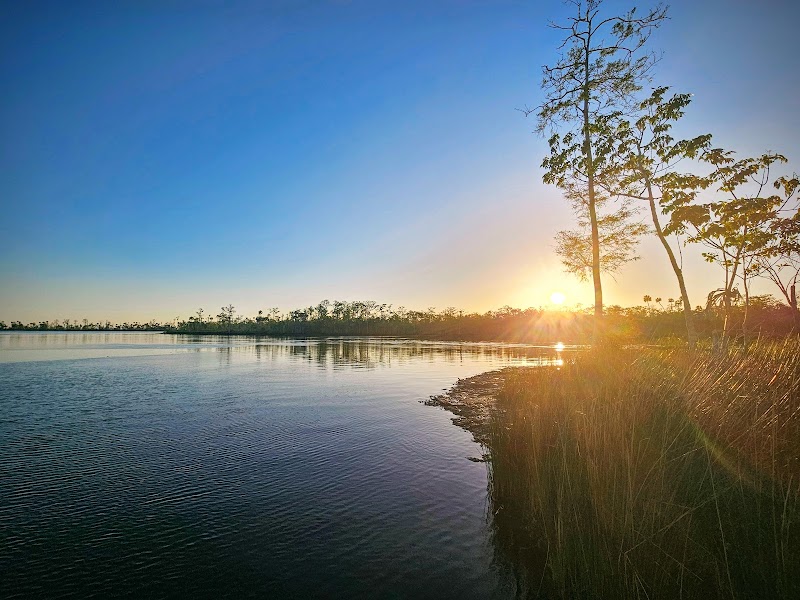
The landscape is predominantly aquatic, punctuated by salt marshes and mangrove shorelines that buffer the environment from storms and erosion. This balance of seagrasses and wetlands plays a crucial role in maintaining water quality and supporting biodiversity. Historically, the area has been central to indigenous communities and early settlers valuing its rich marine resources. Today, it remains a sanctuary for environmental conservation and scientific study.
Big Bend Seagrasses Aquatic Preserve stands out as a natural treasure along Florida's coast, offering visitors a chance to witness one of the most intact seagrass ecosystems in the United States. Its protection ensures the continuation of vital habitats that sustain both marine animals and coastal resilience, making it a vital outdoor destination for nature lovers and water enthusiasts alike.
Adventure Guide
Adventure Guide To Big Bend Seagrasses Aquatic Preserve
-
Kayaking and Paddleboarding
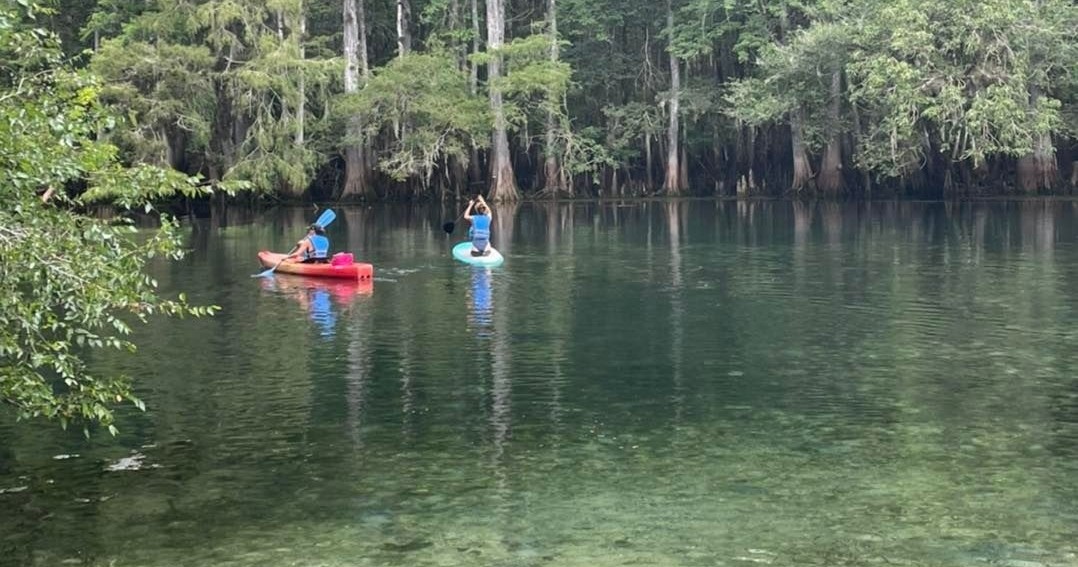
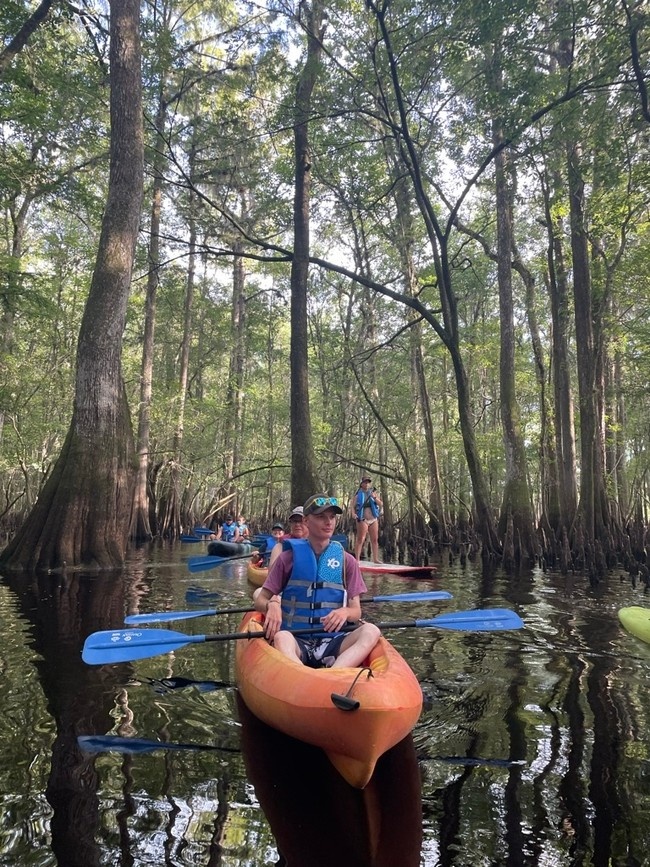
- Glide over crystal-clear waters through the seagrass beds, spotting aquatic wildlife like manatees, sea turtles, and diverse fish species.
- The calm, shallow waters make it suitable for all skill levels.
- Bring waterproof binoculars and a camera with a waterproof case for the best wildlife viewing.
- Best time: Early morning or late afternoon to avoid midday heat and increase chance of wildlife encounters.
-
Scenic Boat Tours and Snorkeling
- Local eco-tour operators offer guided boat tours focusing on the preserve’s ecosystem and conservation efforts.
- Snorkeling spots reveal vibrant underwater life amid extensive seagrass beds.
- Use reef-safe sunscreen to protect marine environments and pack water shoes for rocky shorelines.
- Best time: Year-round, though spring through fall brings warmer water and more active marine life.
-
Bird Watching Along the Mangroves and Salt Marshes
- Walk or bike nearby trails along the coast where migratory and resident birds, such as herons and egrets, thrive.
- Bring binoculars and a field guide for Florida coastal birds.
- The area is quiet and less crowded, offering a peaceful nature experience.
- Best time: Winter and early spring when migratory bird populations peak.
Visitor Tips
- How to get there: The preserve is accessible via routes along the Florida coastline near towns like Steinhatchee or Cedar Key; driving from Gainesville takes about 1.5 to 2 hours.
- What to bring: Sunscreen, insect repellent, water, proper water gear, and a camera.
- Safety: Beware of strong sun exposure, stay hydrated, and be mindful of local wildlife regulations to protect the habitat.
Visitor Tips
- Best Times:Spring and Fall for favorable conditions and optimal lighting.
- What to Bring:Plenty of water, sun protection, a camera, and respectful Leave-No-Trace mindset.